
Historia · Mitología · Leyenda
Historia y Leyenda
El pasado cobra vida.
Documentales sobre personajes, imperios, mitología y leyendas, narrados con rigor histórico y una estética cinematográfica.


Último vídeo
Hachiko esperó 10 años a un hombre que ya estaba muerto
Durante casi diez años, un perro esperó cada tarde en la estación de Shibuya a un hombre que nunca iba a volver. Esta es su historia real, con la parte que la película no cuenta.
Cuatro formas de entrar en la historia
Explora nuestras series
Relatos conectados por una misma pregunta: qué ocurre cuando el poder, la ambición, la memoria y la leyenda chocan entre sí.


Biblioteca histórica
Continúa la historia
Detrás de cada documental hay una historia aún más grande. Explórala con contexto, cronología y fuentes históricas.

Tristán e Isolda
La historia de amor, lealtad y tragedia que se convirtió en una de las leyendas más influyentes de la Edad Media.

Vlad el Empalador
La historia del príncipe de Valaquia cuya violencia y leyenda terminaron vinculándose para siempre con el mito de Drácula.

Ulises
La historia del héroe que tardó diez años en regresar a Ítaca y convirtió su viaje en una de las grandes historias de Occidente.

Trưng Trắc
La historia de la mujer que encabezó junto a su hermana una rebelión contra el dominio chino en el antiguo Vietnam.

Lozen
La historia de la guerrera apache que combatió junto a Victorio y Gerónimo durante la resistencia chiricahua.

Leonardo da Vinci
La historia del artista e inventor renacentista cuya curiosidad abarcó la pintura, la anatomía, la ingeniería y la ciencia.

Hércules
La historia del héroe condenado a completar doce trabajos imposibles para expiar sus actos y recuperar su lugar entre los dioses.

Gilgamesh
La historia del rey de Uruk cuya búsqueda de la inmortalidad dio origen a una de las epopeyas más antiguas conocidas.

Boudica
La historia de la reina icena que encabezó una gran rebelión contra el dominio romano en Britania.

Ariadna
La historia de la princesa que entregó a Teseo el hilo para escapar del laberinto y cuya propia historia continuó mucho después del Minotauro.

Rómulo
La historia del fundador legendario de Roma, criado junto a Remo y convertido en el primer rey de la ciudad que acabaría dominando el Mediterráneo.
 11:18
11:18Hachiko esperó 10 años a un hombre que ya estaba muerto
El perro que esperó casi diez años en la estación de Shibuya a un dueño que nunca volvió, y la parte de su historia que casi nadie conoce.
 4:02
4:02Tomoe Gozen: la mujer que aterrorizó a los samuráis
La guerrera que combatió junto a Minamoto no Yoshinaka en las guerras Genpei y desapareció tras su última batalla.
 5:18
5:18Tokugawa Ieyasu: mientras todos luchaban… él esperaba para ganar
El señor de la guerra que esperó su momento, venció en Sekigahara y fundó el shogunato Tokugawa.
 4:37
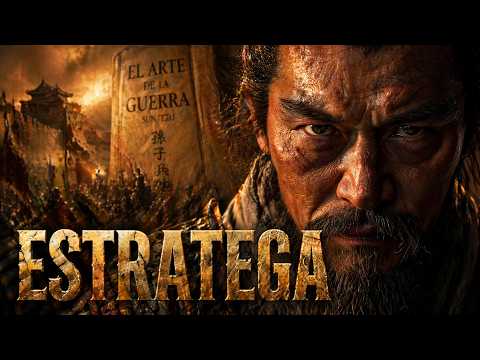
4:37Sun Tzu: si tienes que luchar… ya has perdido
El estratega al que se atribuye El arte de la guerra y su idea más famosa: vencer sin combatir.
 5:16
5:16Salomón: el rey que lo tuvo todo… y terminó vacío
El rey de la sabiduría, el oro y el templo, cuyo reino se partió en dos al morir.
 6:02
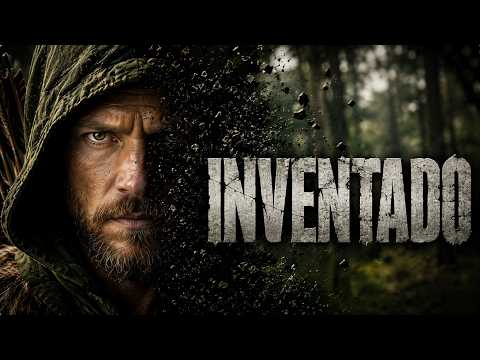
6:02Robin Hood nunca existió… y esa es la mejor parte
El forajido de Sherwood probablemente nunca existió. Su leyenda, construida durante siglos, dice mucho más de quienes la contaron.
 3:29
3:29Rey Midas: pidió oro… y convirtió a su hija en estatua
El rey de Frigia que pidió convertir en oro todo lo que tocaba y descubrió el precio de su deseo.
 1:36
1:36Perséfone: un secuestro cambió el mundo
La hija de Deméter raptada por Hades, cuyo regreso cada primavera explicaba el ciclo de las estaciones.
 2:53
2:53Odín: sabía que iba a morir… y aun así luchó
El dios nórdico que lo sacrificó todo por la sabiduría y se preparó para un Ragnarök que sabía que perdería.
 3:05
3:05Lilith: la primera mujer convertida en demonio
La mujer que, según una leyenda medieval, fue creada antes que Eva y se negó a obedecer a Adán.
 2:25
2:25Julio César: Roma apuñaló a su héroe
El general que conquistó la Galia, cruzó el Rubicón y fue asesinado en los idus de marzo.
 5:39
5:39Juana la Loca: ¿estaba loca o la encerraron para quitarle el trono?
La reina que pasó 46 años encerrada en Tordesillas mientras otros gobernaban en su nombre.
 3:31
3:31Hipatia: era demasiado inteligente… y por eso la mataron
La matemática y filósofa de Alejandría asesinada en el año 415 en plena lucha por el poder en la ciudad.
 2:00
2:00Espartaco: Roma lo llamó esclavo. Luego le tuvo miedo
El gladiador que encabezó la mayor rebelión de esclavos de la historia de Roma.
 4:53
4:53Dédalo: creó sus alas para escapar… y perdió a su hijo
El inventor del laberinto del Minotauro y de las alas con las que su hijo Ícaro voló demasiado cerca del sol.
 3:41
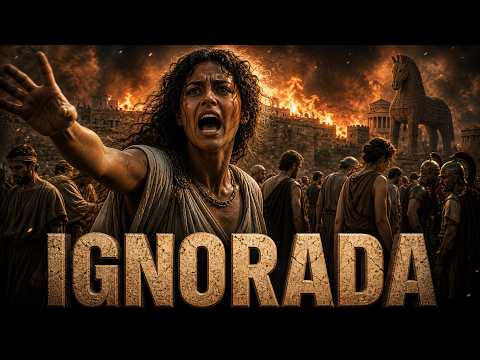
3:41Casandra: sabía que Troya iba a caer… y nadie la escuchó
La princesa troyana condenada por Apolo a ver el futuro sin que nadie creyera sus profecías.
 2:43
2:43Aníbal: estuvo a punto de destruir Roma
El general cartaginés que cruzó los Alpes, venció en Cannas y dejó a Roma al borde del abismo.
 3:19
3:19Amaterasu: el día que el sol desapareció
La diosa del sol que se escondió en una cueva y dejó al mundo en tinieblas.
 3:33
3:33Agripina: creó a Nerón… y él la destruyó
La mujer que llevó a su hijo Nerón al trono de Roma y murió asesinada por orden suya.
 4:01
4:01Juana de Arco: ganó la guerra… y luego la quemaron viva
La campesina que lideró a Francia en la guerra de los Cien Años y fue quemada por hereje con solo diecinueve años.
 6:10
6:10Cher Ami: el mensaje que debía atravesar el infierno
La historia de la paloma mensajera que, herida por el fuego alemán, salvó al Batallón Perdido en el bosque de Argonne en 1918.
 4 min
4 minNapoleón: la derrota que empezó dentro de él
La historia de cómo Napoleón conquistó Europa y empezó a perder su imperio mucho antes de Waterloo.
 4 min
4 minEl Cid: El hombre que se volvió más grande que su rey
La historia de cómo el exilio de Rodrigo Díaz de Vivar se convirtió en leyenda.
 5 min
5 minHatshepsut: La borraron de la historia… durante 3.000 años
La historia de la mujer que gobernó Egipto como faraón y a la que intentaron borrar de la memoria durante milenios.
 5 min
5 minCleopatra: Roma no la deseaba… la temía
La historia de la última reina de Egipto y de cómo la propaganda romana cambió para siempre su memoria.
 6 min
6 minRey Arturo: La traición que acabó con Camelot
La historia del reino perfecto que terminó derrumbándose por la traición de quienes debían protegerlo.
 6 min
6 minTemplarios: La mayor traición de la Edad Media
La historia de la orden más poderosa de la Edad Media y del rey que decidió destruirla.
 5 min
5 minIsabel la Católica: La reina que decidió quién debía desaparecer
La historia de cómo Isabel la Católica utilizó el poder para unificar su reino y tomar decisiones que cambiaron para siempre el destino de España.
 6 min
6 minQin Shi Huang: El hombre que creó China
La historia del primer emperador que unificó China, transformó una civilización y emprendió una obsesiva búsqueda de la inmortalidad que terminó convirtiéndose en la mayor ironía de su vida.
 6:17
6:17Wu Zetian: La mujer que desafió a China
La historia de la única mujer que gobernó China como emperador y de cómo su poder desafió las reglas de su tiempo.
 5:56 min
Conquistó un imperio. Pero no podía parar | Alejandro Magno
Conquistó Persia y llegó hasta la India, pero la misma ambición que construyó su imperio hizo que ninguna conquista fuese suficiente.
 6:21
6:21Marie Curie: la mujer que descubrió lo invisible
La historia de la científica que descubrió el polonio y el radio y transformó nuestra comprensión de la materia y la radiación.
 2:05
2:05Medusa: la historia detrás del monstruo
La historia de la Gorgona derrotada por Perseo y de cómo distintas tradiciones transformaron su origen, su castigo y su significado.
 8 min
8 minLaika: el viaje sin regreso que abrió el camino al espacio
La historia de la perra que se convirtió en el primer animal en orbitar la Tierra en una misión que nunca había sido diseñada para regresar.

Gengis Kan
La historia del guerrero que unificó las tribus mongolas y construyó uno de los mayores imperios de la historia.
Tristán e Isolda
La historia de amor, lealtad y tragedia que se convirtió en una de las leyendas más influyentes de la Edad Media.
Vlad el Empalador
La historia del príncipe de Valaquia cuya violencia y leyenda terminaron vinculándose para siempre con el mito de Drácula.
Ulises
La historia del héroe que tardó diez años en regresar a Ítaca y convirtió su viaje en una de las grandes historias de Occidente.
Trưng Trắc
La historia de la mujer que encabezó junto a su hermana una rebelión contra el dominio chino en el antiguo Vietnam.
Lozen
La historia de la guerrera apache que combatió junto a Victorio y Gerónimo durante la resistencia chiricahua.
Leonardo da Vinci
La historia del artista e inventor renacentista cuya curiosidad abarcó la pintura, la anatomía, la ingeniería y la ciencia.
Hércules
La historia del héroe condenado a completar doce trabajos imposibles para expiar sus actos y recuperar su lugar entre los dioses.
Gilgamesh
La historia del rey de Uruk cuya búsqueda de la inmortalidad dio origen a una de las epopeyas más antiguas conocidas.
Boudica
La historia de la reina icena que encabezó una gran rebelión contra el dominio romano en Britania.
Ariadna
La historia de la princesa que entregó a Teseo el hilo para escapar del laberinto y cuya propia historia continuó mucho después del Minotauro.
Rómulo
La historia del fundador legendario de Roma, criado junto a Remo y convertido en el primer rey de la ciudad que acabaría dominando el Mediterráneo.
11:18Hachiko esperó 10 años a un hombre que ya estaba muerto
El perro que esperó casi diez años en la estación de Shibuya a un dueño que nunca volvió, y la parte de su historia que casi nadie conoce.